UV Disinfection
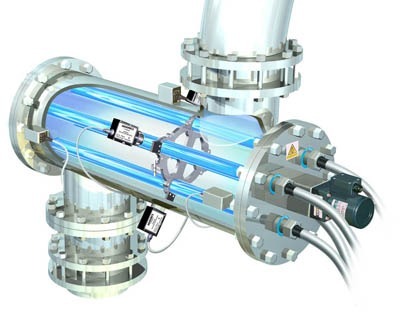
The main concern with chemical treatment is the formation of disinfection by-products that are left behind in the water. In particular, chlorine is suspected to increase the levels of carcinogenic substances as a result of reactions with organic material in the water. During the early days of water treatment, scientists discovered that in nature the sun was responsible for natural control of bacteria in rivers and lakes. W2P Ultra Violet Systems are designed to reproduce the power of the sun, producing ultra violet rays to destroy pathogenic micro-organisms within a matter of seconds. The effectiveness of a UV disinfection system depends on the characteristics of the wastewater, the intensity of UV radiation, The amount of time the microorganisms are exposed to the radiation, and the reactor configuration. For any one treatment plant disinfection success is directly related to the concentration of colloidal and particulate constituents in the wastewater.
ADVANTAGES
Copyright © 2020, Water 2 People Teknologies Pvt. Ltd. All Rights Reserved.